


Understanding the Psychology of Bluffing
Bluffing in poker is not merely about deception; it involves a deep understanding of psychology, both of oneself and the opponents. Successful bluffing requires players to gauge their opponents’ reactions and emotional states, which adds a layer of complexity to the game. An effective bluffer often reads body language, facial expressions, and betting patterns to determine if an opponent is weak or strong, and they might even enjoy trying their luck with the best online pokies during downtime. This psychological component can turn the tide during a hand, as players who grasp this aspect can exploit their competitors’ tendencies.
Moreover, a well-timed bluff can induce fear or hesitation in opponents, causing them to fold even strong hands. The idea is to create doubt, making them second-guess their decisions. This tactic is particularly powerful against novice players who may not yet have developed the skills to discern a bluff effectively. By observing how others react to specific situations, players learn to fine-tune their bluffs to maximize effectiveness and minimize the risk of being called out.
Understanding one’s own mental state is equally crucial. If a player is too nervous or emotional during a bluff, it can be easily read by others, negating the entire strategy. Therefore, remaining calm and composed helps a player project confidence, which is essential when attempting to convince others of a strong hand. Mastering this psychological aspect of bluffing can lead to successful outcomes and a more enjoyable game experience.
Identifying the Right Moments to Bluff
Knowing when to bluff is as critical as mastering the act itself. Choosing the right moments involves considering the board, your position at the table, and the tendencies of your opponents. A well-placed bluff can exploit a favorable situation, such as a tight table where players are more likely to fold. Conversely, bluffing in a highly aggressive game with players willing to call could lead to substantial losses. Identifying the best conditions for bluffing is essential for success.
Another factor to consider is the texture of the board. If the community cards suggest potential strong hands that could connect with your opponents, the likelihood of a successful bluff decreases. Conversely, a board that appears disconnected may allow you to represent a strong hand more convincingly, making opponents more likely to fold. Therefore, evaluating the situation critically and adjusting your bluffing strategy accordingly can significantly enhance your chances of winning.

Lastly, your position at the table plays a significant role in the timing of your bluffs. Players who act later in a round have the advantage of observing the actions of others, allowing them to make more informed decisions. If your opponents have checked or shown weakness, this may present an opportune moment to bluff your way to victory. Ultimately, mastering the art of identifying the right moments to bluff can elevate your poker game considerably.
Crafting Your Bluff Strategy
A successful bluff strategy involves a mix of aggression, consistency, and psychological tactics. When crafting your approach, it’s crucial to ensure that your bluffs mirror your overall playing style. If you predominantly play tightly, occasionally introducing bluffs can catch opponents off guard when they least expect it. On the other hand, if you bluff too often, experienced players will quickly identify your patterns and respond accordingly. Balancing your bluffs with solid, strategic play is key to maintaining unpredictability.
A successful bluff also benefits from careful consideration of bet sizing. A common mistake among novice players is either betting too little, which makes their bluff easily callable, or too much, which can scare opponents off and diminish the chance of a call. The ideal bet should be convincing enough to force opponents to reconsider their hands without raising suspicion that you may be bluffing. It is essential to tailor your bet sizes to reflect the strength of the hand you are trying to represent.
Additionally, incorporating a variety of bluff types into your gameplay can enhance your overall strategy. For instance, semi-bluffing is a technique where a player bets with a hand that may not yet be strong but has the potential to improve. This tactic not only keeps opponents guessing but also provides opportunities to win not just through folding opponents but also by drawing to a stronger hand. Establishing a diverse range of bluffing techniques will make you a formidable player at the table.
The Role of Table Dynamics
Table dynamics significantly influence bluffing strategies, and understanding the personalities and playing styles of your opponents can be pivotal. Each player at the table brings a unique approach, and being aware of these styles allows for more effective bluffs. For instance, if you are up against overly aggressive players, you might find that a well-timed bluff may work effectively, since they are likely to call lighter than more cautious players.
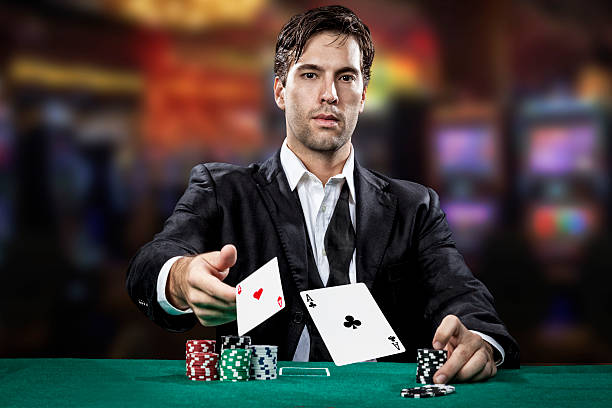
Similarly, the overall atmosphere of the table can also dictate the success of your bluffing attempts. If the table is tense and players are playing conservatively, introducing a bluff can yield great rewards. However, if the table is loose and players are willing to call any bet, it may be wise to sit back and avoid bluffing during that session. Being adaptable to changing dynamics helps to create opportunities and can be the difference between winning and losing.
Moreover, players must also consider the post-flop actions of their opponents. How players react to the turn or river cards provides vital information about their potential holding. Observing whether your opponents are aggressive or passive can offer clues on whether a bluff might be successful. Ultimately, the ability to read table dynamics accurately can enhance bluffing strategies significantly, allowing players to make more precise and informed decisions.
Final Thoughts on Poker Bluffing Strategies
Mastering the art of bluffing in poker is an intricate dance of psychology, timing, and strategic planning. The subtle blend of understanding your opponents, timing your bluffs, and crafting a versatile strategy is what makes a successful bluffer. As players develop these skills, they will find that bluffing can not only win hands but also create an exciting and unpredictable gaming experience.
While learning to bluff can take time and practice, the rewards are well worth the effort. Engaging with other players and discussing hands can provide additional insights and improve skill levels, facilitating a deeper understanding of the art of bluffing. Additionally, maintaining a diary or log of bluffing experiences can help refine skills and identify patterns that lead to better decision-making in the future.
Above all, remember that poker is a game of strategy, patience, and adaptation. Embrace the challenge that bluffing presents, and let it enhance your overall gameplay. As you become more adept at this essential poker skill, you will enjoy greater success at the tables, allowing you to experience the thrill that comes from mastering one of poker’s most crucial elements—the art of bluffing.