


What New Investors Need to Know About Navigating the Main Page of a Trading Bot Service to Find Key Settings
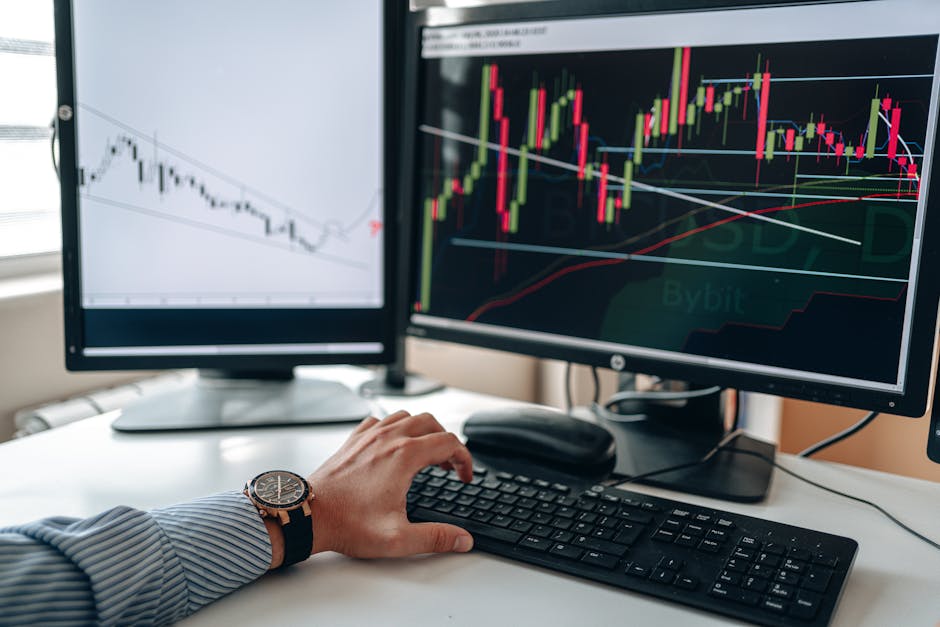
1. The Dashboard Layout: Where to Look First
The main page of a trading bot service is your command center. For a new investor, the initial view can be overwhelming. Focus on the top navigation bar first. Look for tabs labeled «Dashboard,» «Strategies,» «Portfolio,» or «Settings.» These are universal across most platforms. The core information you need is your account balance, active bots, and recent trade history. Avoid clicking on promotional banners or «VIP» upgrade buttons until you understand the basics. A reliable service like direct link organizes these elements clearly, but always verify the layout yourself.
The central area typically displays performance charts. Do not fixate on short-term gains. Instead, locate the «Total Profit/Loss» and «Win Rate» metrics. These are usually in the top-right corner. If you see red numbers, it is normal-trading bots experience drawdowns. The key is to find the «Settings» or «Configuration» icon, often a gear symbol. Clicking this opens the parameters that control your bot’s behavior. Without adjusting these, you are letting the default algorithm trade your capital.
Identifying Control Panels vs. Marketing Content
Separate operational controls from promotional material. Settings panels are usually monochrome and text-heavy, with sliders and dropdown menus. Marketing sections use bright colors and «Join Now» buttons. Ignore the latter. Your goal is to find «Risk Level,» «Pair Selection,» or «Investment Amount.» These are the levers that actually affect your outcomes.
2. Critical Settings Every New User Must Adjust
Never run a bot on default settings. The first adjustment is «Risk Per Trade.» Set it to 1-2% of your total balance. This prevents a single bad trade from wiping out your account. Next, find «Trading Pair» or «Market.» Beginners should stick to major pairs like BTC/USDT or ETH/USDT. Avoid obscure altcoins until you understand market behavior. The «Leverage» setting is dangerous-keep it at 1x (spot trading) for your first month.
The «Stop-Loss» function is mandatory. Locate it in the «Advanced Settings» or «Safety» section. Set a global stop-loss at 10-15%. Some bots offer «Trailing Stop-Loss,» which locks in profits as the price rises. Enable this if available. Also, find the «Max Open Trades» slider. Limiting this to 2-3 prevents the bot from overcommitting your funds during volatile periods. Review these settings weekly, not daily, to avoid emotional changes.
Schedule and Notifications
Check the «Trading Schedule» or «Active Hours» setting. Some bots trade 24/7, which can be risky during low-liquidity hours. Set it to trade only during high-volume periods (e.g., 9 AM–5 PM UTC for crypto). Enable «Push Notifications» for trade confirmations and error alerts. This is usually in the «Profile» or «Alert» section. Do not rely on email-delays can cost you.
3. Common Pitfalls on the Main Page
New investors often mistake «Paper Trading» mode for live trading. Look for a toggle or badge that says «Demo» or «Simulation.» Switch it to «Live» only after you are confident in your settings. Another trap is the «Auto-Optimize» button. This changes your settings based on recent data, which can backfire in shifting markets. Disable it initially. Also, avoid clicking «Copy Trader» or «Follow Strategy» unless you fully trust the source-many are paid promoters.
The «Withdraw» button is usually prominent, but do not test it with small amounts until you have verified your wallet address. Scammers sometimes hide withdrawal fees in the fine print. Scroll to the bottom of the settings page to find «Fee Structure» or «Trading Fees.» If the fee is above 0.2% per trade, consider it expensive. Finally, never share your API key or 2FA code. Legitimate services never ask for these outside the initial setup.
4. Practical Workflow for First-Time Users
Start by funding your account with a small amount-no more than $100. Spend 30 minutes exploring every tab on the main page. Write down where each key setting is located. Then, run the bot in «Paper Trading» for two days. Observe how it reacts to price changes. After that, activate «Live» mode with your small capital. Check the «Trade Log» or «History» daily for the first week to ensure the bot follows your rules.
If you see unexpected behavior, return to the «Settings» page. Adjust the «Slippage Tolerance» to 0.5% to avoid failed orders. Also, verify the «Quote Currency»-if you deposited USD but the bot trades in USDT, you may incur conversion fees. Most importantly, set a «Daily Profit Target» of 1-2%. If the bot hits it, it should stop trading automatically. This protects your gains. Review the «Performance» section every Sunday to compare results against your manual trades.
FAQ:
How do I know if my bot is actually trading?
Check the «Active Orders» or «Open Trades» section on the main page. A list of pending or filled orders indicates live activity. If it is empty, the bot may be paused or misconfigured.
What is the most important setting for a beginner?
The «Risk Per Trade» setting. Keeping it at 1-2% of your balance prevents catastrophic losses while you learn the platform.
Can I lose all my money if I use default settings?
Yes. Default settings often use high risk, high leverage, and no stop-loss. This can liquidate your account in a single volatile move. Always customize before trading.
Why does my bot show «API Error»?
This usually means your exchange API key has expired or lacks proper permissions. Go to the «Account Connection» section and re-link your exchange with «Trade» and «Read» permissions enabled.
How often should I change my bot settings?
Weekly is ideal. Daily changes lead to overtrading and emotional decisions. Stick to a plan and only adjust if market conditions shift significantly.
Reviews
Liam K.
As a complete newbie, I was lost. This guide helped me find the stop-loss setting in 5 minutes. Saved me from a bad trade on day one.
Emma R.
I ignored the «Paper Trading» toggle and lost $200. Now I check settings before anything else. Solid advice for beginners.
Carlos M.
The risk per trade tip was gold. I set it to 1% and my bot actually makes consistent small gains instead of huge swings.